
Lamborghini Delays Its First Electric Car Beyond 2030
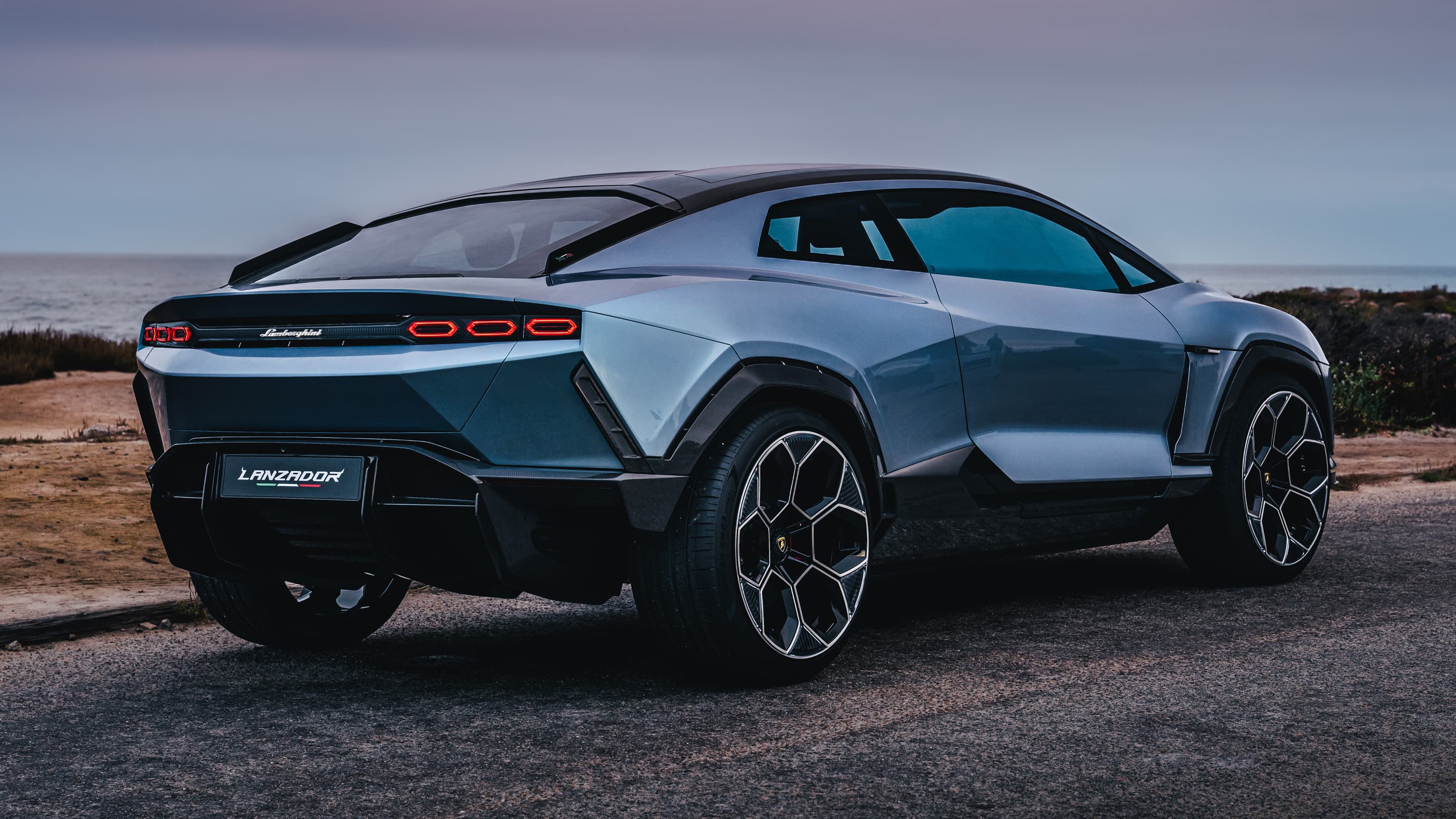
Lamborghini electric car delay news has taken the automotive world by surprise. The Italian supercar maker has officially confirmed that its first fully electric vehicle will not arrive before 2030, pushing back a plan that was originally expected to launch as early as 2028. Instead of rushing into full electrification, Lamborghini is doubling down on plug-in hybrid technology, citing weak customer demand and immature EV technology as the core reasons. This decision comes at a time when rivals like Ferrari, Bentley, and Porsche are moving quickly into the electric space, making Lamborghini's cautious approach a talking point across the auto industry. Here's a complete breakdown of what happened and why.
What Exactly Did Lamborghini Announce?
Lamborghini CEO Stephan Winkelmann has confirmed that the brand's first fully electric car, which was expected to be a production version of the Lanzador concept, will now arrive sometime after 2030. The Lanzador, a 2+2 grand tourer concept unveiled at Monterey Car Week in 2023, was originally positioned as Lamborghini's fourth model line and its first all-electric offering.
Instead of launching as a battery-electric vehicle, the production Lanzador will now use a plug-in hybrid powertrain, reportedly based on a version of the Urus's 4.0-liter twin-turbo V8 PHEV setup. Similarly, plans for a fully electric Urus SUV have also been shelved, with Lamborghini confirming the Urus will remain the brand's only SUV, powered by hybrid technology rather than a battery-only system.
Why Is Lamborghini Delaying Its EV Plans?
Several factors are driving Lamborghini's decision to push its electric ambitions past the end of the decade.
1. Weak Customer Demand
According to Lamborghini executives, the company's own market research shows that demand for fully electric supercars among its customer base simply isn't there yet. Product director Stefano Cossalter stated plainly that customers "were not willing to buy an electric car." Winkelmann echoed this sentiment, noting that the acceptance curve for electric vehicles among Lamborghini buyers is not increasing the way the industry expected.
2. Immature Technology
Lamborghini has also pointed to technological limitations. Executives say that current battery and electric powertrain technology isn't yet capable of delivering the kind of performance and precision expected from a Lamborghini. While an EV can offer strong torque and instant acceleration, the brand insists that raw numbers aren't enough for a car meant to be a "dream" purchase.
3. The Emotion Problem
Perhaps the most interesting reason Lamborghini has given is emotional appeal. Winkelmann has repeatedly said that making an electric car "emotional" is extremely difficult. For a brand built on the theatre of a roaring V10 or V12 engine, the silence of an electric motor is seen as a dealbreaker for loyal buyers. He specifically called out the missing engine sound as one of the biggest reasons customers reject full-electric performance cars, stating that artificial or synthetic engine noises don't feel authentic enough for a Lamborghini.
4. Rising Rejection Rates
Lamborghini's internal analysis reportedly shows that the rejection rate of full-electric cars is actually increasing among its target customers, rather than declining as expected. This trend runs counter to the broader industry narrative that EV adoption will naturally rise over time, at least within the ultra-luxury performance segment.
What Happens to the Lanzador Now?
Even though the fully electric version has been shelved, the Lanzador itself is not dead. Lamborghini plans to bring a production version of the 2+2 grand tourer to market by 2030, but as a plug-in hybrid rather than a battery-electric vehicle. Winkelmann has noted the final production car will differ slightly in body style from the concept but will retain its distinctive two-door, four-seat layout, positioning it as a rival to models like the Ferrari Purosangue.
Is Lamborghini Abandoning Electric Cars Completely?
No. Despite the delay, Lamborghini insists it has not given up on full electrification altogether. The company says development work on battery cell chemistry and electric software is continuing quietly in the background, even though a launch date has not been set. Winkelmann has been careful to clarify that his earlier comment calling EV development "an expensive hobby" was taken somewhat out of context, and that Lamborghini remains committed to eventually building an electric car once the technology and market conditions are right.
How Does This Compare to Other Luxury Automakers?
Lamborghini's cautious stance stands in sharp contrast to some of its closest competitors:
Ferrari is moving ahead with its first fully electric model, the Ferrari Luce, although the reveal has drawn a mixed reception and some backlash from traditional Ferrari buyers.
Porsche already sells a fully electric Cayenne variant, built on dedicated electric underpinnings.
Bentley is also preparing its first EV as part of its broader electrification roadmap.
Chinese brands like BYD's Yangwang have already entered the ultra-performance EV space, with models like the U9 delivering roughly 1,300 horsepower and expanding into European markets.
This divergence highlights a broader debate in the luxury auto industry: should legacy performance brands rush toward electrification to keep pace with emerging competitors, or take a slower, more deliberate path that protects brand identity and buyer loyalty?
What Does This Mean for the Future of Lamborghini?
For now, Lamborghini is focusing its energy on expanding its hybrid lineup rather than rushing an electric supercar to market. The company has confirmed several new product reveals throughout 2026, including appearances at major events like the Goodwood Festival of Speed and Monterey Car Week. The brand's V12 engine is also expected to continue in production past 2030, reinforcing Lamborghini's commitment to combustion and hybrid performance in the near term.
While this strategy may reassure traditionalist buyers who value engine sound and driving emotion above all else, analysts note there is a real risk in waiting too long. Pushing a first EV past 2030 means Lamborghini could be starting from scratch against rivals who, by then, will have nearly a decade of electric performance data, software refinement, and battery development behind them.
Final Thoughts
Lamborghini's decision to delay its first electric car beyond 2030 reflects a broader tension in the luxury performance car market between innovation and identity. While rivals push forward with electrification, Lamborghini is betting that its customers value emotion, sound, and heritage more than immediate access to electric technology. Whether this patient approach pays off, or leaves the brand playing catch-up in the next decade, remains one of the biggest open questions in the supercar world.
Frequently Asked Questions (FAQs)
Q1: When will Lamborghini launch its first electric car? Lamborghini has confirmed that its first fully electric car will not arrive before 2030. An exact launch date has not yet been announced.
Q2: Why did Lamborghini delay its first EV? Lamborghini delayed its EV plans due to weak customer demand, immature electric vehicle technology, and difficulty replicating the emotional experience and engine sound that define its combustion cars.
Q3: Will the Lanzador still be Lamborghini's first electric car? No. The Lanzador, originally planned as Lamborghini's first fully electric model, will now launch as a plug-in hybrid instead, using a version of the Urus's V8 PHEV powertrain.
Q4: Is Lamborghini giving up on electric cars entirely? No. Lamborghini says it continues to develop electric vehicle technology, including battery cell chemistry and software, in the background, even though a launch timeline has been pushed past 2030.
Q5: Will there be an electric Lamborghini Urus? No. Lamborghini has confirmed there are no current plans for a fully electric Urus. The Urus will remain the brand's only SUV and will continue using a plug-in hybrid powertrain.
Q6: How does Lamborghini's EV delay compare to Ferrari and other rivals? Unlike Lamborghini, Ferrari is moving ahead with its first fully electric model, the Ferrari Luce, while Porsche already offers a fully electric Cayenne. Lamborghini is taking a more cautious, hybrid-first approach compared to these competitors.
Q7: What is Lamborghini focusing on instead of electric cars right now? Lamborghini is expanding its plug-in hybrid lineup and continuing production of its V12 engine, with several new models expected to debut at major automotive events throughout 2026.
Related Stories
 EV News
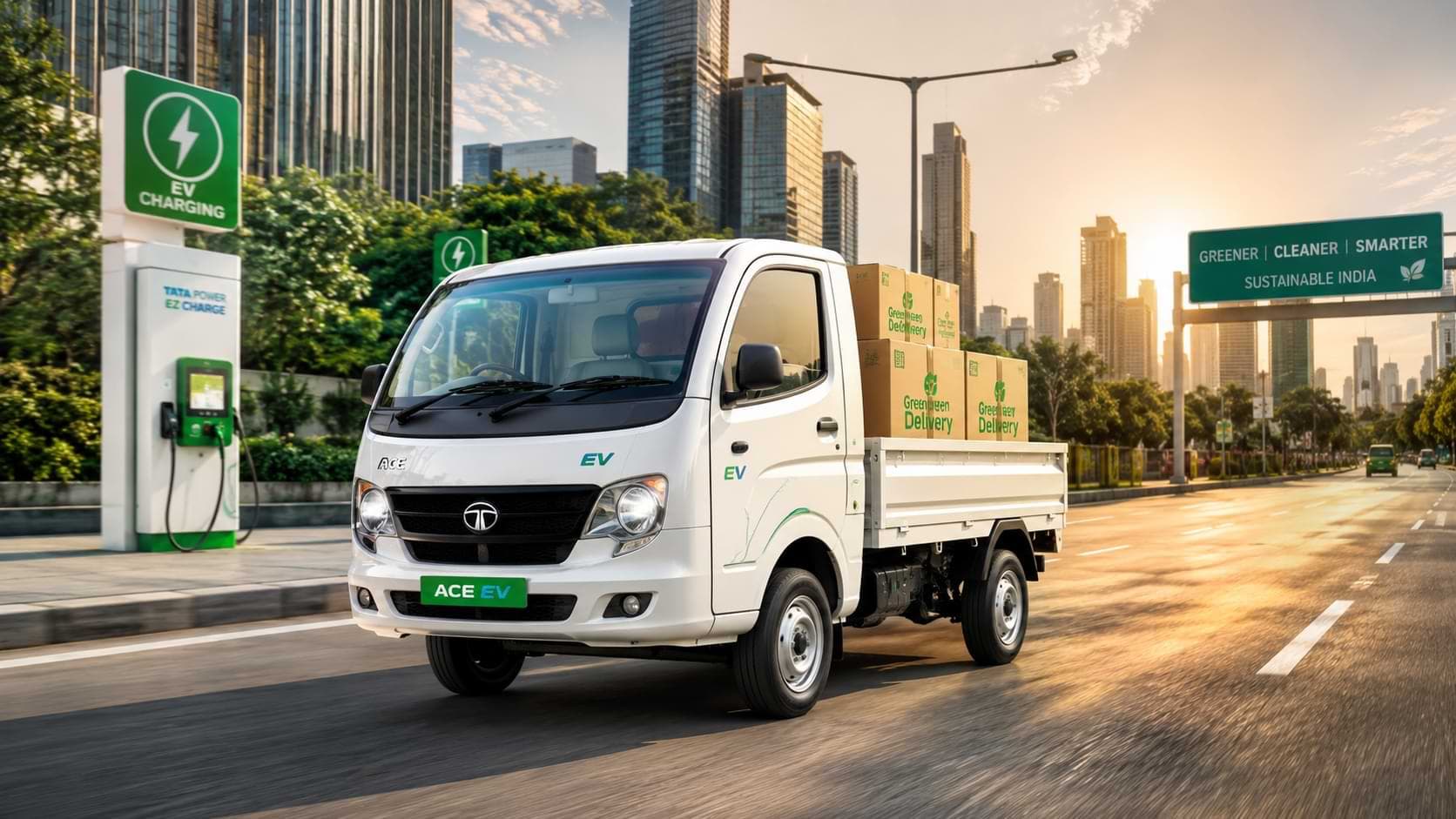
Tata Ace EV: India's Smart Electric Mini Truck for Modern Businesses
The commercial vehicle industry in India is changing rapidly, and electric vehicles are leading this transformation.
 EV News
MG ADAPT Platform Revealed, New EVs Coming Soon: Everything You Need to Know
MG ADAPT Platform Revealed, New EVs Coming Soon — this is the biggest headline coming out of JSW MG Motor India this week, and it signals a…
 EV News
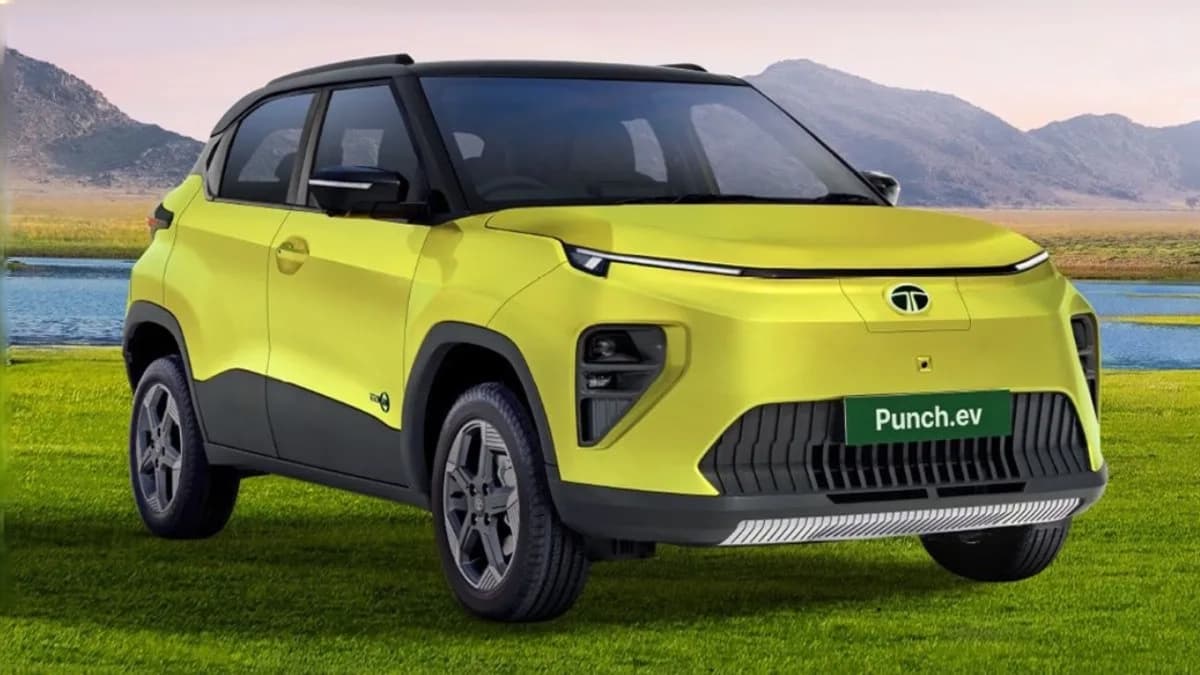
Tata Punch EV Long Range Launched at ₹13.99 Lakh
Tata Punch EV Long Range, priced at ₹13.99 lakh (on-road, top variant). Building on the success of the standard Punch EV, this Long Range v…
 EV News
Delhi's Ambitious EV Transition Faces Major Challenges
The policy explicitly acknowledges that forcing auto-rickshaw and delivery operators to buy pricier electric vehicles can cause serious fin…