
Delhi's Ambitious EV Transition Faces Major Challenges
The Delhi EV transition is one of the most talked-about clean mobility stories in India right now. With the national capital notifying its Electric Vehicle Policy 2026, the city has set out an aggressive roadmap to phase out petrol and diesel vehicles and push electric mobility across every segment — from two-wheelers to school buses. But while the policy's ambition has won praise from industry leaders, the ground reality tells a more complicated story. Funding gaps, patchy charging infrastructure, financing hurdles for low-income drivers, and stubbornly low two-wheeler adoption are all threatening to slow down what is otherwise being called one of the boldest electric mobility transitions attempted by any Indian state.
Why Delhi Needed a New EV Policy
Delhi has long struggled with being ranked among the world's most polluted cities, especially during the winter smog season. Delhi Transport Department data shows that commercial goods carriers account for 33% of vehicular pollution, while two- and three-wheelers collectively generate 46% of the city's total pollution load. That imbalance is exactly why the new policy targets these high-volume segments so aggressively. Two-wheelers make up nearly two-thirds of Delhi's active vehicle population but represent less than 8% of current electric registrations, leaving a massive gap between how many people ride two-wheelers and how few of them have gone electric.
The Delhi EV Policy 2026 aims to achieve at least 30% electrification of the city's total vehicle fleet by March 31, 2030, building on the previous EV policy under which Delhi reached around 14% EV penetration by 2025. It's a significant jump in ambition, and the government isn't leaving the timeline vague.
The Roadmap: Dates, Deadlines and Incentives
The policy lays out some genuinely hard deadlines. From January 1, 2027, only pure electric three-wheelers and light goods carriers in the N1 category will be permitted fresh registrations in Delhi. From April 1, 2028, registration of new petrol or CNG-powered scooters and motorcycles will be discontinued entirely, allowing only electric models. Schools aren't exempt either — institutions must convert at least 10% of their transport fleets to pure EVs within two years, 20% within three years, and 30% by March 31, 2030.
To soften the financial blow of switching, the government has built in a phased incentive structure. Electric two-wheeler buyers get direct subsidies of ₹30,000 in the first year, scaling down to ₹20,000 in year two and ₹10,000 in year three, while electric auto-rickshaws are eligible for ₹50,000, ₹40,000, and ₹30,000 across the same three years. All eligible pure EVs also receive a 100% lifetime waiver on road tax and registration, though for passenger cars this exemption is capped at vehicles costing up to ₹30 lakh ex-showroom. On the administrative side, Delhi Chief Minister Rekha Gupta launched a paperless digital subsidy portal where buyers can apply within 30 days of purchase and expect direct benefit transfers within 60 days.
The financial scale behind the push is significant too. The government has allocated ₹70 billion for direct incentives and ₹80 billion for infrastructure, including a target of 32,000 charging stations, and industry estimates suggest the policy could attract around ₹15,000 crore in fresh investment over the next four years.
Charging Infrastructure Is Still Unreliable
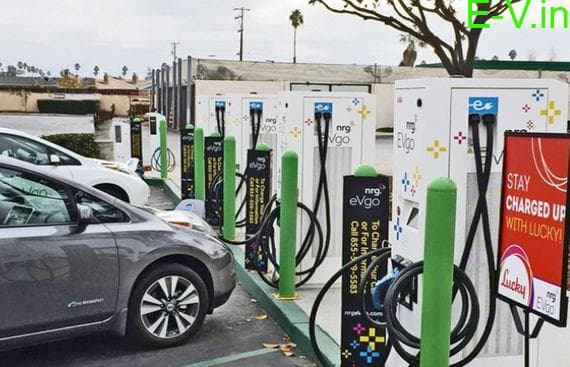
On paper, 32,000 charging points sounds impressive. In practice, Delhi's existing charging network has serious reliability problems. A 2024 study by the Institute for Energy Economics and Financial Analysis found that nearly 84% of EV chargers examined across South, Central, West, and East Delhi were non-functional, largely because of theft of charging equipment and poor maintenance. Building thousands of new chargers means little if the city can't keep the existing ones running.
Home charging adds another layer of difficulty. Installing EV chargers at home in Delhi, especially in multi-family dwellings, faces resistance from resident welfare associations, largely due to a lack of clear guidelines and building codes. Many residents simply don't have dedicated parking to install a charger in the first place, which pushes them back toward public infrastructure that isn't yet reliable enough to depend on.
Financing Remains Out of Reach for Many
The policy explicitly acknowledges that forcing auto-rickshaw and delivery operators to buy pricier electric vehicles can cause serious financial stress if it isn't paired with easily accessible financing. For gig workers, delivery riders, and auto-rickshaw drivers who often live on thin margins, the upfront cost of an EV — even with subsidies — can be a real barrier. Experts note that instruments like first- or second-loss default guarantees, interest subvention, and blended finance are often recommended solutions, but they're rarely bundled together in a single, accessible lending window for the drivers who need them most.
Grid Readiness and Power Demand
Thousands of new fast chargers coming online at once puts real pressure on the power grid. Power utilities will need to coordinate closely with Delhi Transco Ltd. to scale up localized sub-stations and avoid local blackouts as EV charging demand grows. This is a less visible challenge than charger availability, but it's just as critical — a city that can't guarantee stable electricity supply to its charging network will struggle to convince skeptical buyers that EVs are truly reliable.
The Hybrid Debate
The policy focuses exclusively on promoting pure battery electric vehicles and completely excludes strong hybrids from tax reliefs or cash incentives, a decision that has drawn pushback from manufacturers who argue hybrids serve as a necessary transitional technology before full electrification. This is a genuine point of tension: automakers with strong hybrid lineups worry they're being boxed out of a fast-growing market, while the government's position is that anything short of pure electrification won't move the needle on Delhi's air quality fast enough.
Regional Loopholes
Delhi doesn't exist in a policy vacuum — it sits inside the wider National Capital Region, surrounded by states with looser rules. To prevent buyers from gaming the system, the policy restricts subsidized EV owners from selling or re-registering their vehicles outside Delhi for three years. Experts have also pointed out that without coordinated action across neighboring states, commercial operators could simply register vehicles just outside Delhi's borders to dodge the new mandates altogether, undermining the policy's intent.
What Needs to Happen Next
None of this means the Delhi EV transition is doomed to fail — far from it. Industry voices largely agree the policy's direction is right, even as they flag execution risk. Recommendations from experts and think tanks converge on a few clear priorities: fixing and maintaining existing public chargers before adding new ones, building an integrated financing platform that bundles risk-mitigation tools for fleet operators and individual drivers, introducing clear building codes for home charging in apartment complexes, expanding vehicle scrappage centers to retire older polluting vehicles faster, and pushing neighboring NCR states toward a more coordinated regional approach.
The Bigger Picture
Delhi's EV transition is, in many ways, a test case for the rest of urban India. If the capital can pull off a genuine shift toward electric two-wheelers, three-wheelers, and commercial fleets by 2030, it could become the blueprint that other polluted Indian cities follow. But ambition alone won't clean Delhi's air — it will take reliable chargers, accessible financing, a stable power grid, and a regional strategy that closes the loopholes a single city's policy can't cover on its own. The next few years will show whether Delhi's EV transition becomes a genuine success story or a cautionary tale about the gap between policy on paper and infrastructure on the ground.
Related Stories
 EV News
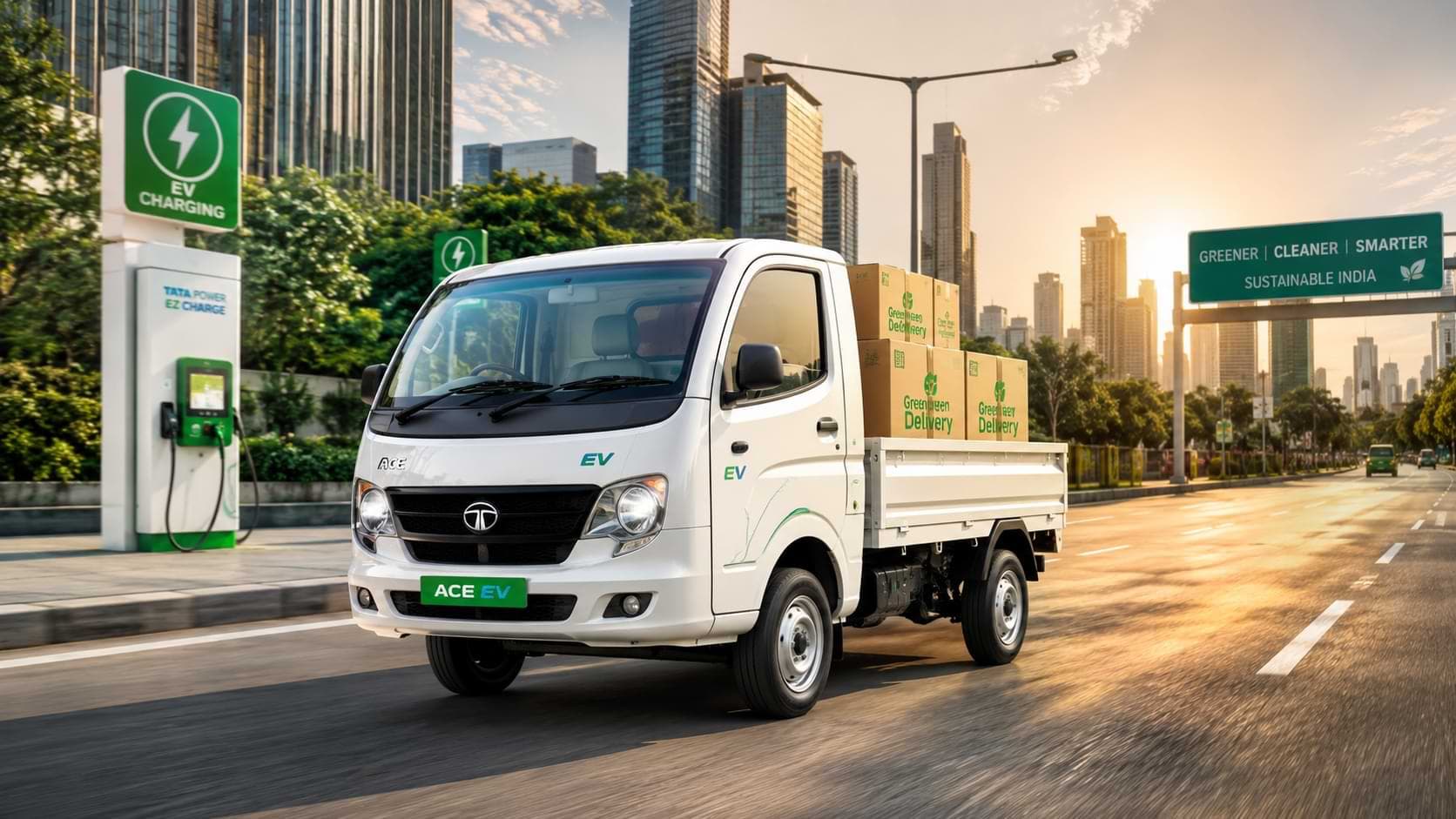
Tata Ace EV: India's Smart Electric Mini Truck for Modern Businesses
The commercial vehicle industry in India is changing rapidly, and electric vehicles are leading this transformation.
 EV News
MG ADAPT Platform Revealed, New EVs Coming Soon: Everything You Need to Know
MG ADAPT Platform Revealed, New EVs Coming Soon — this is the biggest headline coming out of JSW MG Motor India this week, and it signals a…
 EV News
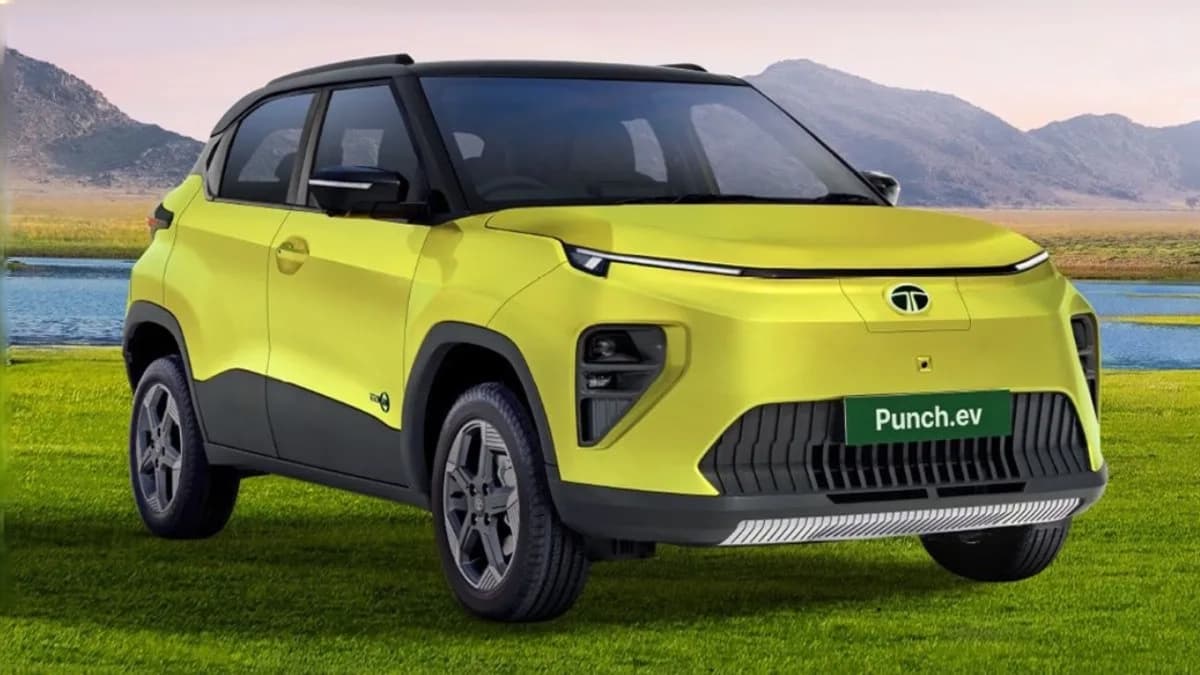
Tata Punch EV Long Range Launched at ₹13.99 Lakh
Tata Punch EV Long Range, priced at ₹13.99 lakh (on-road, top variant). Building on the success of the standard Punch EV, this Long Range v…
 EV News
Lamborghini Delays Its First Electric Car Beyond 2030
Lamborghini CEO Stephan Winkelmann has confirmed that the brand's first fully electric car, which was expected to be a production version o…